No. 12 · 19 July 2026
How to Create an Environment That Makes Healthy Living Easy
The secret to healthier habits isn't more willpower - it's creating a home, workspace, and daily environment that makes healthy choices the easy choices.
Small changes to your surroundings can make healthy choices feel almost automatic.
We often believe that living a healthy lifestyle comes down to motivation, discipline, or willpower. But research in behavioural science suggests that our physical and social environments play a powerful role in shaping our daily habits - often without us even realising it.
Many readers will recognise this idea from James Clear’s bestselling book Atomic Habits. One of its central messages is that lasting behaviour change is not about relying on motivation or willpower alone, but about intentionally designing our environment so that healthy habits become the natural choice.
The food we see, the layout of our home, and the people we spend time with all shape the decisions we make - often without us noticing.
Instead of relying on willpower, one of the most effective strategies is to design an environment that makes healthy choices the easy choices.
Rituals for Everyday Wellness
The Kitchen
The foods that are available and easy and quick to prepare are often the foods we eat most.
Simple changes can make a big difference:
• Keep a bowl of fresh fruit on the kitchen counter.
• Store chopped vegetables at eye level in the fridge.
• Keep healthy snacks, such as nuts or Greek yoghurt, within easy reach.
• Store treats out of sight or avoid buying them altogether.
• Prepare healthy meals in advance for busy days.
The Bedroom
Good sleep begins long before bedtime.
Create an environment that encourages restful sleep:
• Keep the room cool, dark and quiet.
• Charge your phone outside the bedroom to reduce the temptation to scroll before bed and immediately after waking.
• Dim the lights during the hour before bedtime.
• Wake up to natural daylight whenever you can.
Your Workspace
Our work environment influences how much we move, eat and focus.
Small adjustments include:
• Keep a water bottle within easy reach.
• Stand up and move a little every 30 mins.
• Keep healthy snacks nearby instead of sweets.
• Position your printer or bin further away to encourage movement.
• Take phone calls during a walk if possible.
• Take the stairs instead of the elevator whenever possible.
Your Social Environment
Healthy habits can be contagious. The people we spend time with can influence our behaviours more than we realise.

Consider:
• Exercising with a friend.
• Meeting for a walk or a game of padel instead of coffee or drinks.
• Cooking healthy meals together.
• Surrounding yourself with people who support your health goals.
Wellness Intelligence
Behavioural scientists have consistently found that convenience strongly influences our choices.
When healthy foods are visible and easily accessible, we are more likely to eat them. When unhealthy foods require more effort to obtain, we tend to consume less of them.
The same principle applies beyond food. Keeping your exercise mat visible rather than tucked away in a cupboard serves as a reminder to incorporate more movement into your day. A water bottle on your desk encourages you to drink more throughout the day. Charging your phone outside the bedroom makes it easier to disconnect before sleep and avoid looking at your phone first thing in the morning.
Rather than relying on constant decision-making, behavioural scientists encourage us to shape our surroundings so that healthy behaviours become the path of least resistance. Over time, these small environmental cues can help transform intentional actions into lasting habits.
Science in Practice
Healthy habits are rarely built through one big decision. They are the result of small choices repeated consistently over time.
By designing our surroundings to make those choices easier, we reduce the number of decisions we need to make each day and increase the likelihood that healthy behaviours become lasting habits.
Destination of Wellbeing
Lanserhof Sylt, Germany
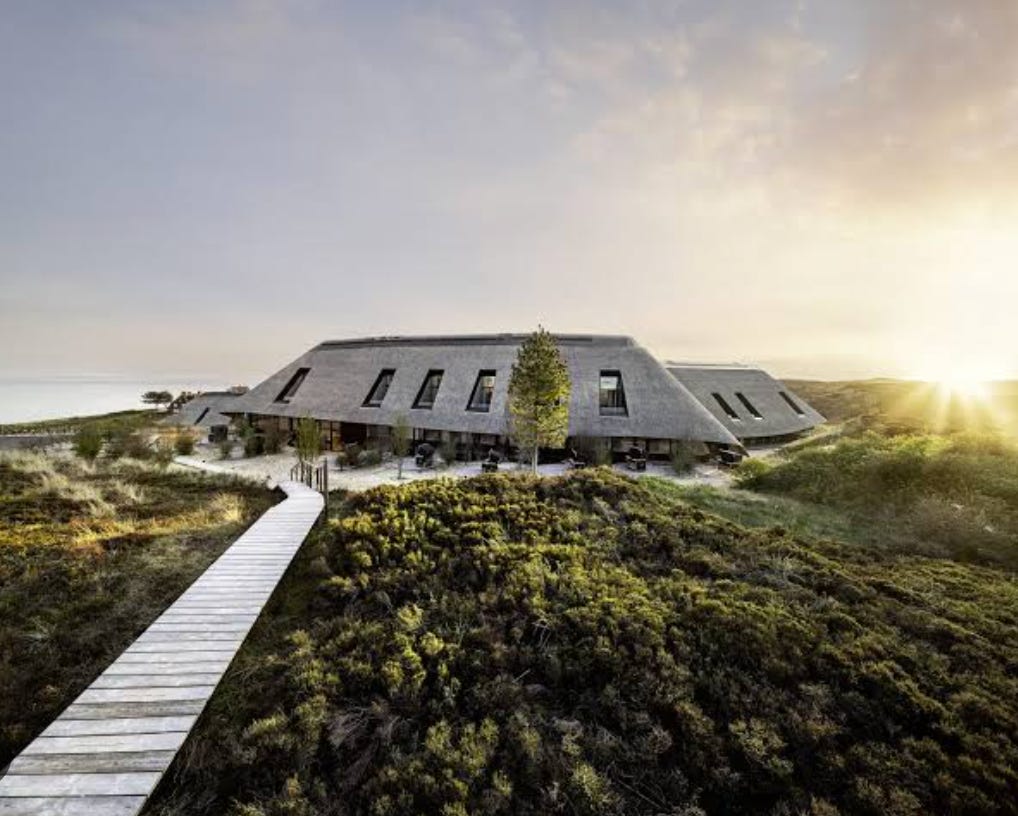
Where architecture, nature and medicine come together to make healthy living feel effortless
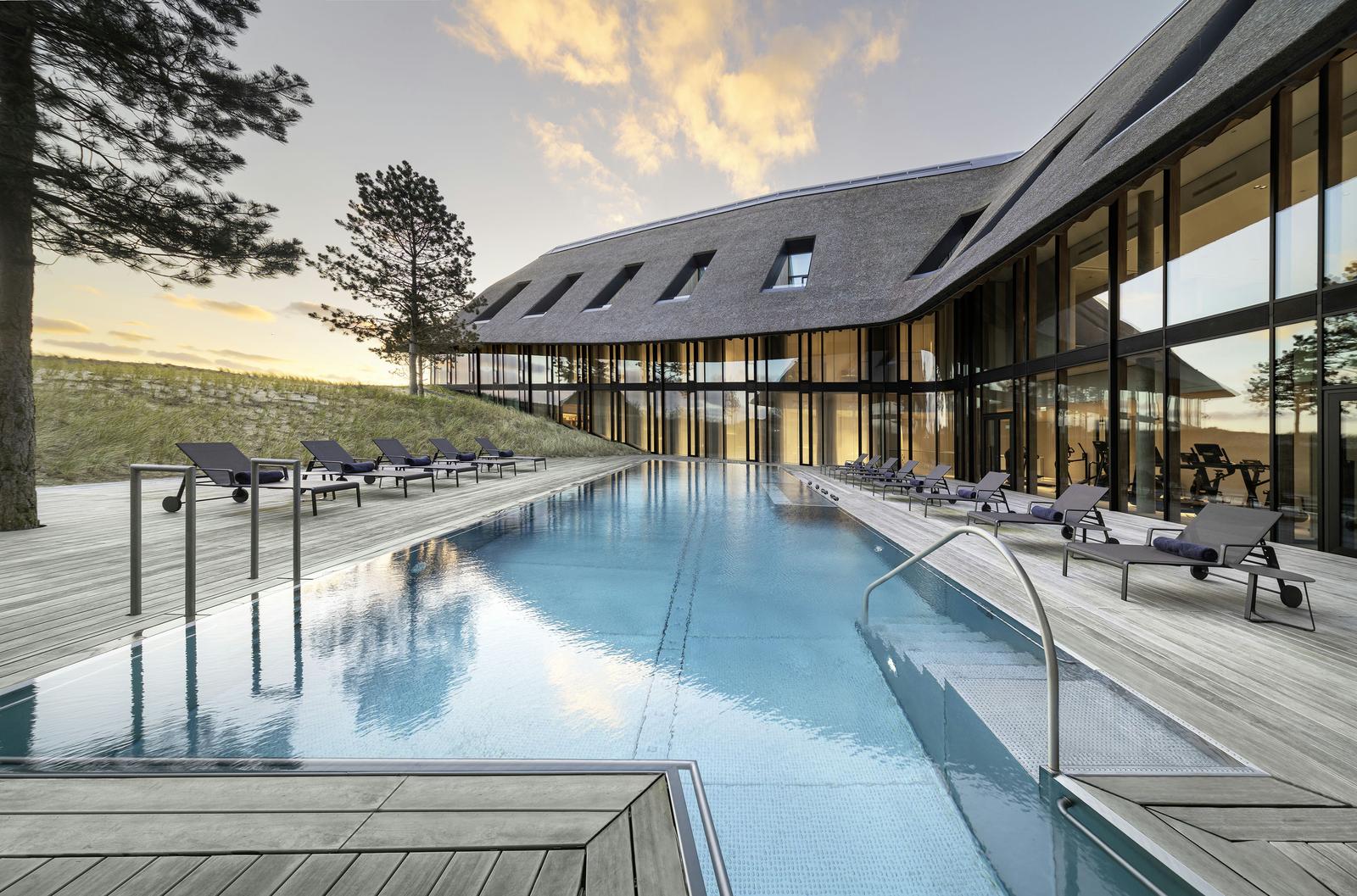
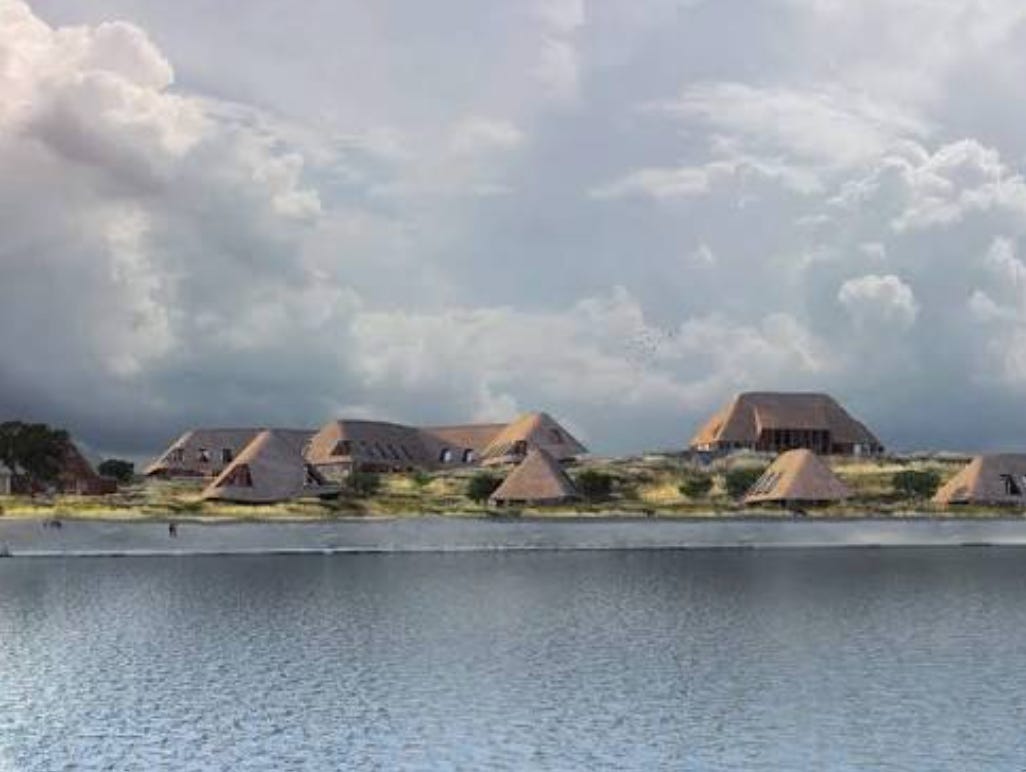
Nestled among the sand dunes on the peaceful island of Sylt in northern Germany, Lanserhof Sylt is one of Europe’s leading medical wellness retreats. Designed by renowned architect Christoph Ingenhoven, the retreat blends contemporary architecture with its natural surroundings, creating an environment that encourages calm, movement, and restoration.
Flooded with natural daylight and overlooking the North Sea, every detail has been carefully considered to support physical and mental wellbeing. Spacious interiors, natural materials, and expansive views create a sense of tranquillity, while the surrounding coastline invites guests to spend more time outdoors.
At Lanserhof, healthy living is not driven by willpower. Instead, the environment itself is designed to make healthy choices feel natural and effortless.
Environment & wellbeing
The philosophy at Lanserhof is built around the belief that our surroundings profoundly influence our health and daily habits.

Natural light, peaceful spaces, nutritious meals, opportunities for movement, and time spent in nature all work together to support recovery, reduce stress, and encourage healthier behaviours.
Experiences include:
• Personalised medical and health assessments
• Nutrition tailored to individual health goals
• Strength training and functional movement
• Yoga, Pilates and mobility sessions
• Recovery therapies and physiotherapy
• Spa, sauna and hydrotherapy
• Guided walks through the dunes and along the North Sea coastline
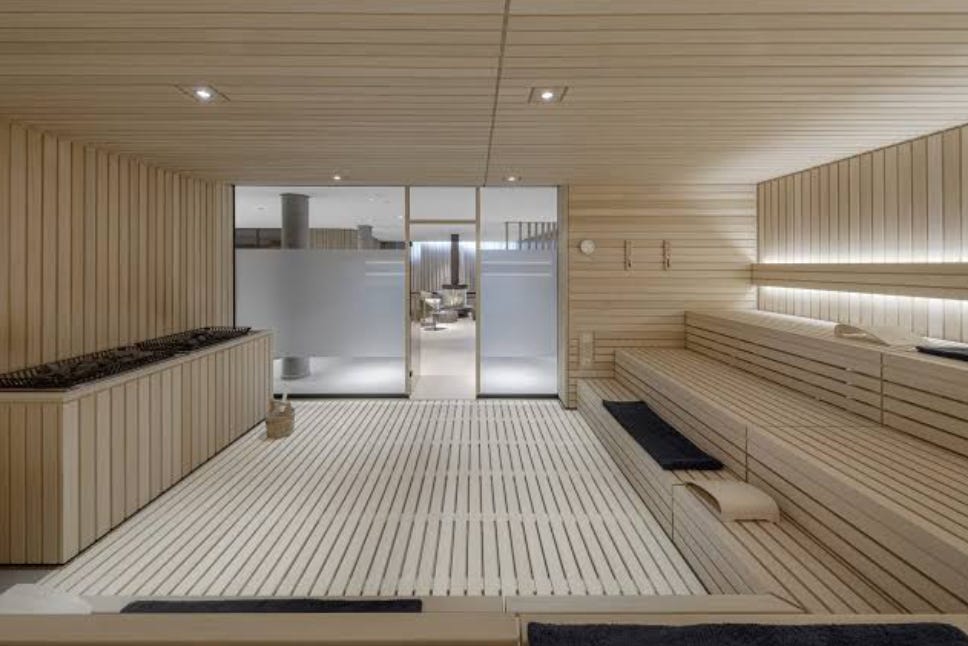
The focus is not on quick fixes or restrictive programmes, but on building sustainable habits that support long-term health.
Movement & daily rhythm
Movement is naturally woven into daily life at Lanserhof.
Guests are encouraged to walk through the surrounding dunes, participate in personalised exercise programmes, and move regularly throughout the day.
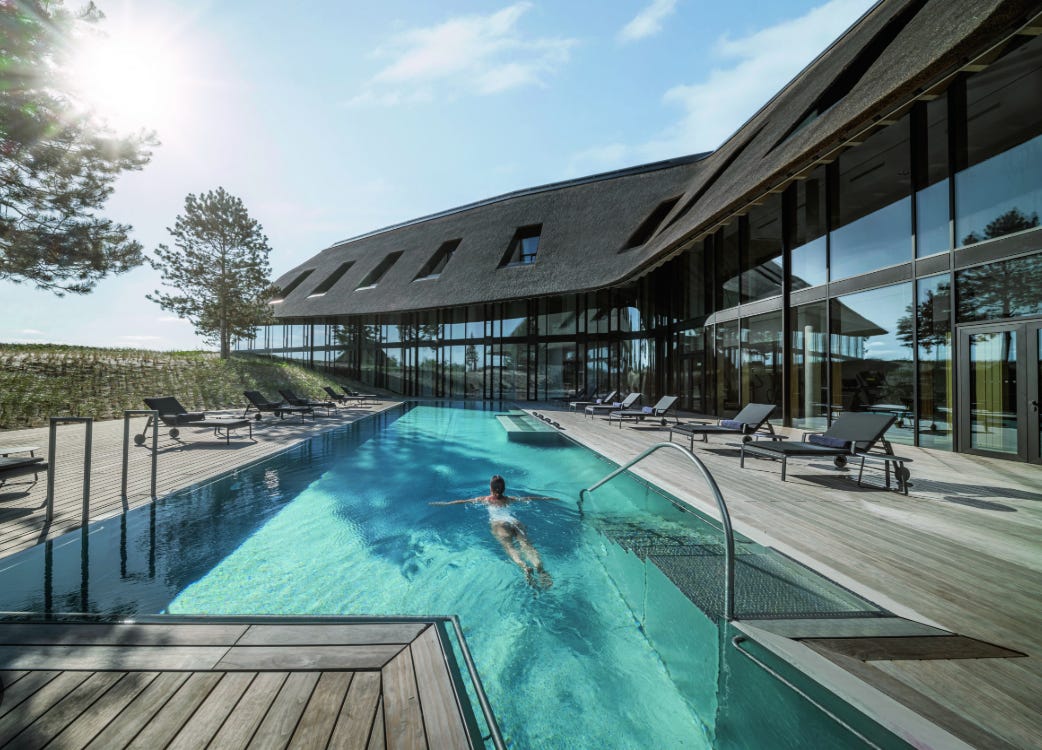
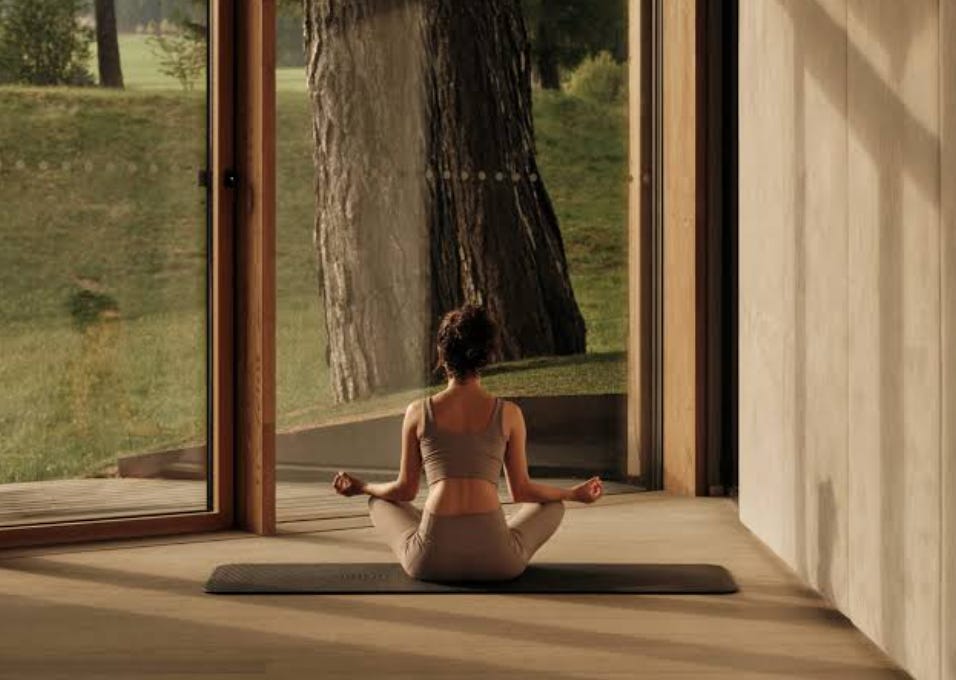
Combined with exposure to natural daylight, restorative treatments, and carefully planned periods of rest, the daily rhythm supports healthy energy levels, recovery, and better sleep.
The fitness facilities are modern and spacious, offering personalised strength training, cardiovascular exercise, and rehabilitation programmes under expert guidance.
Nourishment
Nutrition is a cornerstone of the Lanserhof philosophy.
Meals are thoughtfully prepared using fresh, seasonal ingredients, with a strong emphasis on nutrient density, digestive health, and metabolic wellbeing.
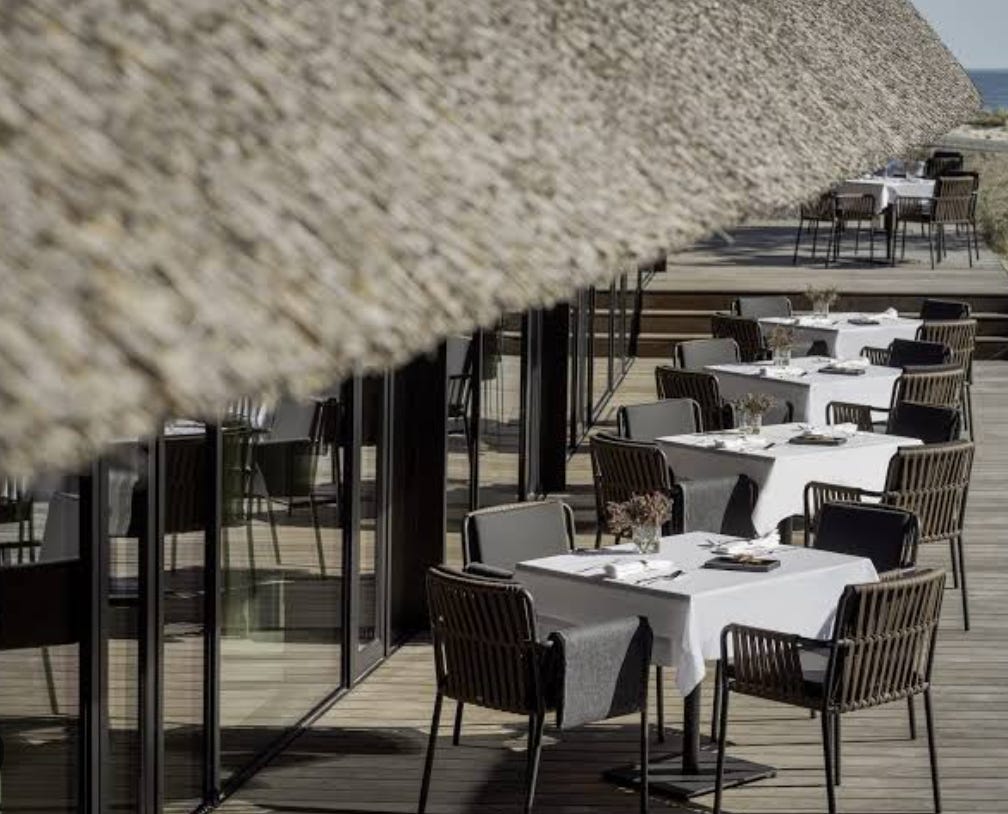

Rather than focusing on restriction, the cuisine demonstrates how simple, nourishing food can support energy, satiety, and long-term health while remaining both satisfying and enjoyable.
Why choose Lanserhof Sylt
• Beautiful architecture designed to support wellbeing
• Medical expertise combined with luxury hospitality
• Personalised programmes tailored to individual health goals
• Strong focus on nutrition, movement, recovery, and preventive health
• Peaceful coastal setting surrounded by nature and fresh sea air
• An environment designed to make healthy choices feel effortless

How to get there
Lanserhof Sylt is located on the island of Sylt in northern Germany, approximately 10 minutes from Sylt Airport (GWT). The island is also easily reached by train from mainland Germany via the Hindenburgdamm railway, with direct connections from Hamburg and other major cities.
If you feel inspired to explore wellness travel, I’d be delighted to help guide you toward a destination aligned with your health and wellbeing goals. Feel free to get in touch anytime.
References:
• Wood, W., & Neal, D. T. (2007). A New Look at Habits and the Habit-Goal Interface. Psychological Review, 114(4), 843–863.
• Wood, W., & Rünger, D. (2016). Psychology of Habit. Annual Review of Psychology, 67, 289–314.
• Hollands, G. J., et al. (2019). Altering micro-environments to change population health behaviour: a systematic review. Cochrane Database of Systematic Reviews.
Featured destination