No. 10 · 14 May 2026
You Are Sitting Too Long
The cost of stillness on the body
You are sitting too long. Not because you are inactive, but because modern life is designed that way.
And while we focus on the hour we spend moving, it is often the many hours in the day that we remain still that shape how the body functions.
Rituals for Everyday Wellness
Interrupt Prolonged Stillness
Not with intensity, but with frequency. Every 30 minutes:
- Stand up
- Stretch
- Walk a few steps
- Reset your posture

If standing is not possible - during a meeting, on a flight, or in moments where you need to remain seated - introduce small, subtle movements while staying seated.
- Lift your heels. Lower them slowly. Repeat.
These simple calf raises activate circulation and help move blood back toward the heart. They stimulate muscle contraction in the lower body, often referred to as the body’s second pump, supporting cardiovascular function and metabolic activity.
This is subtle and may seem insignificant. But over time, these small actions accumulate.
A body that moves regularly supports better circulation, metabolism, and energy production than one that remains still.
Wellness Intelligence
The Cost of Prolonged Stillness
We often think of movement as something structured, like a workout, typically for about an hour a day.
But the body responds not only to how intensely we move, but also to how often we move throughout the day.
Sedentary behaviour (long periods of sitting or lying down whilst awake) has been shown to slow metabolism, reduce insulin sensitivity, and impair circulation, even in individuals who exercise regularly.
In other words, perhaps the most important takeaway is this:a daily workout does not fully offset an otherwise sedentary day.
“Physical activity and sedentary behaviour are distinct concepts. Someone may be physically active, yet still highly sedentary if much of the day is spent sitting. Likewise, regular movement throughout the day carries important health benefits beyond structured exercise alone.”
— Dr. Paul Bahout, Emergency Physician and Preventive & Longevity Medicine
There is another system affected by this: the lymphatic system. Unlike the heart, it has no pump. It depends on movement, on muscle contraction and subtle shifts in the body, to circulate fluid, remove waste, and support immune function.
When we remain still, this flow slows. The body becomes less effective at clearing what it no longer needs.
Our bodies are designed for constant, low level movement. Small interruptions throughout the day help regulate blood sugar, support cardiovascular health, and keep this internal flow active.
They also influence how we feel. Stagnation in the body often mirrors stagnation in the mind. Movement restores clarity, improves circulation, and supports energy and momentum.
These are small actions, but when repeated daily, they become a powerful way to interrupt prolonged stillness and keep the body active, energised, and resilient.
Destinations of Wellbeing
Chenot Palace Weggis, Switzerland
A Destination for Cellular Renewal and Energy Restoration
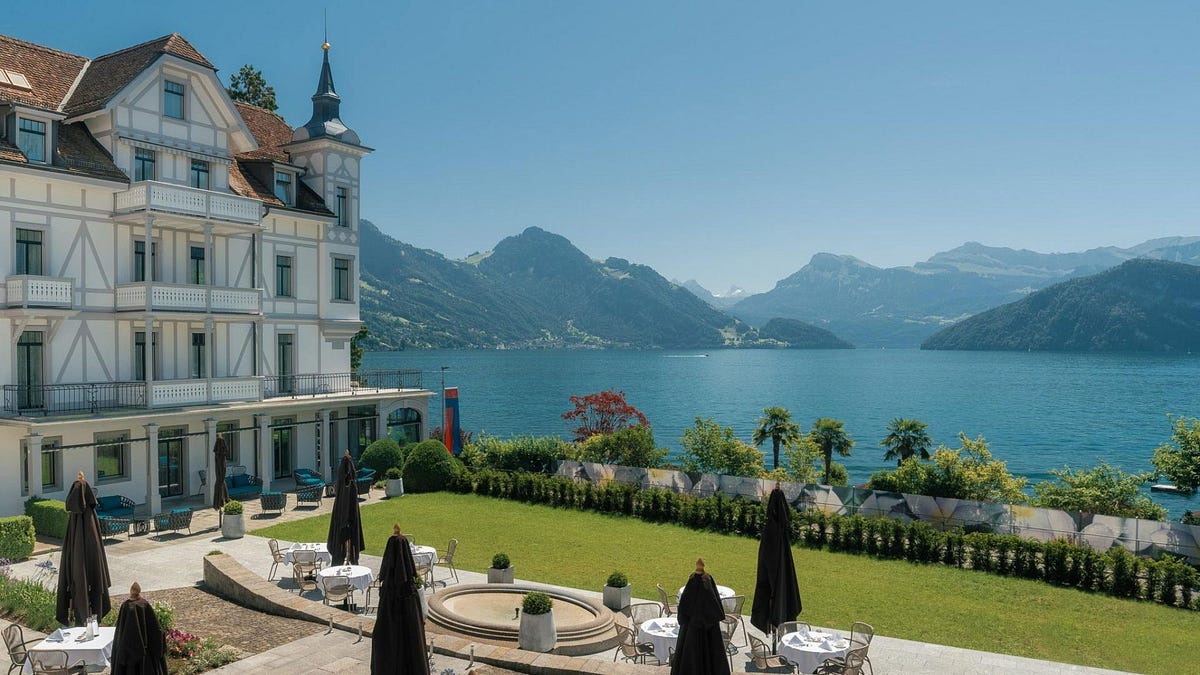
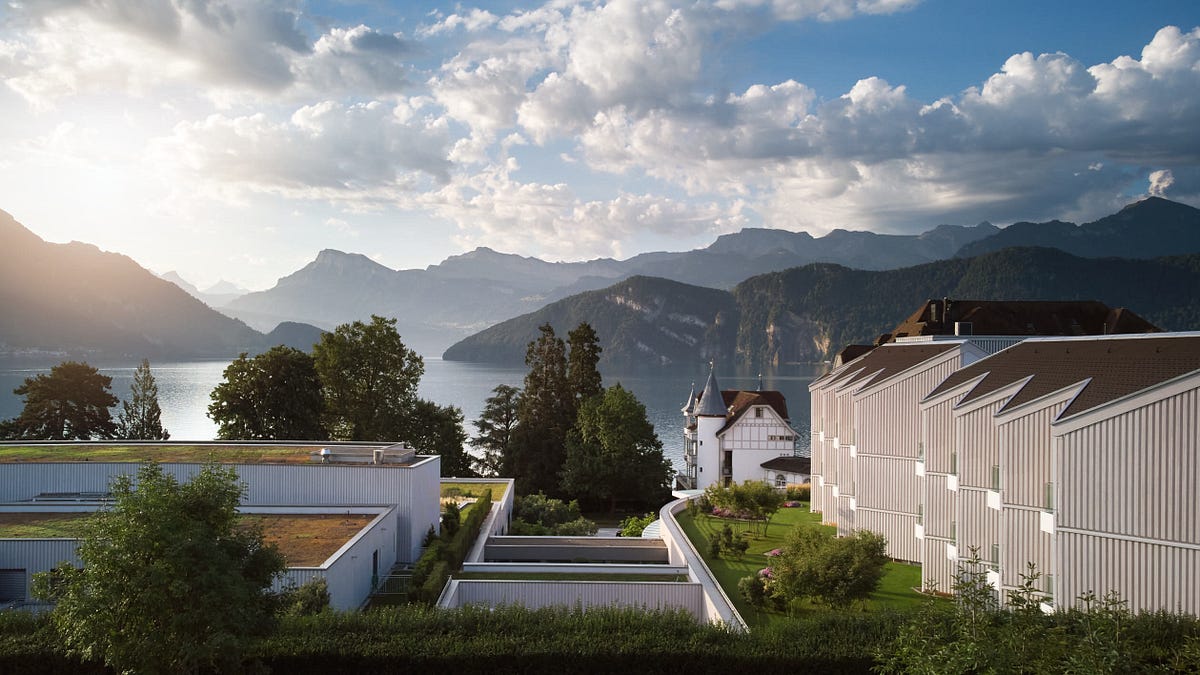
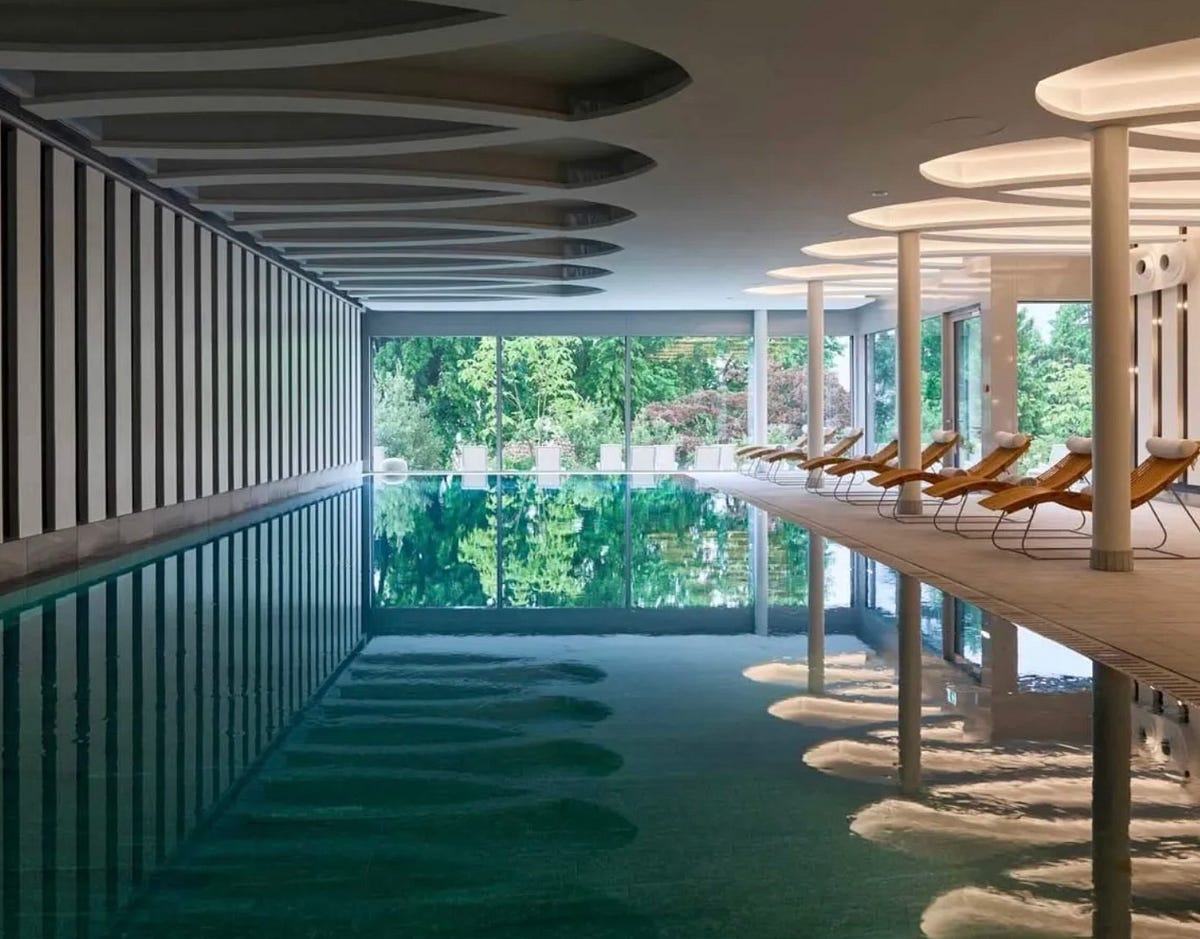
Nestled on the pristine shores of Lake Lucerne in the historical village of Weggis, facing Mount Rigi and Pilatus, lies Chenot Palace. A concept designed to offer an advanced, precise, and science-led approach to wellbeing.

Swim from the private lake front beach during all seasons, and enjoy year-round fitness classes, tennis, yoga, guided walking and hiking tours.
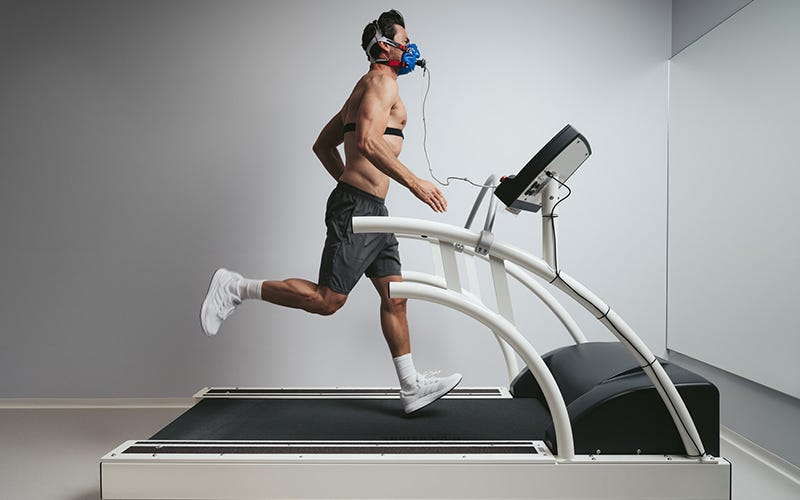
Programmes are built around advanced diagnostics and structured protocols to support energy optimisation and cellular renewal, integrating restorative nutrition, digestive support, movement, sleep, and recovery.
Wellness & Regeneration
The Chenot Method is based on targeted and personalised treatments designed to restore balance and support long term vitality.
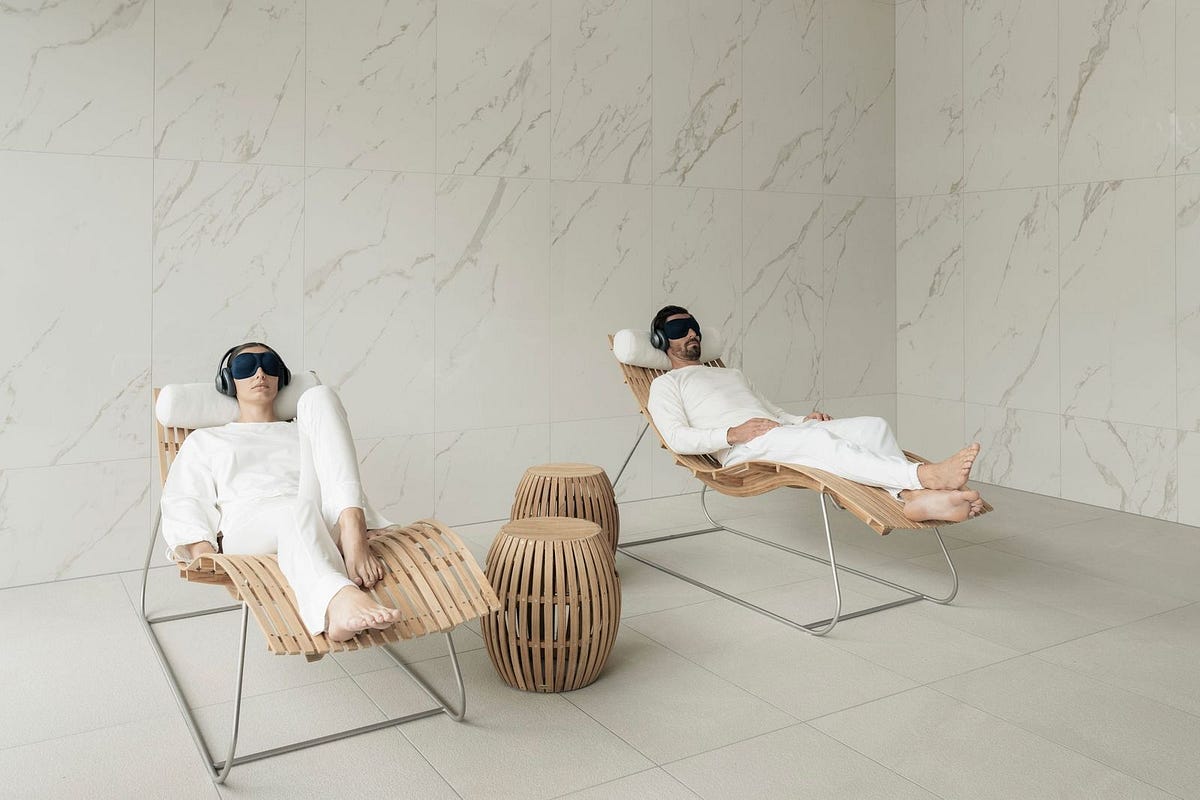
Each treatment is carefully sequenced, creating a rhythm that supports recovery and overall physiological function.
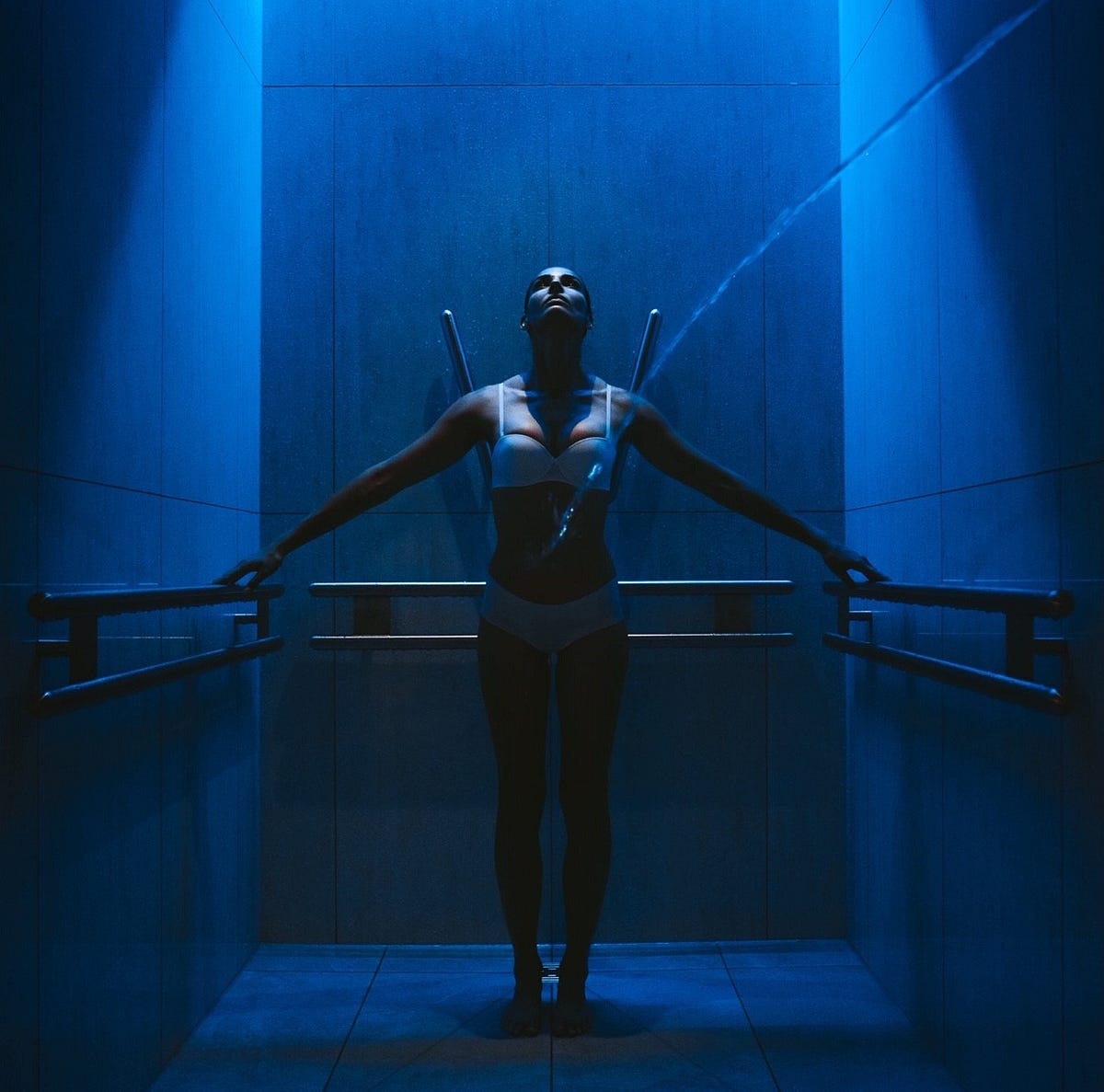
Hydrotherapy circuits and cryotherapy work to stimulate circulation, reduce inflammation, and enhance recovery.
Movement & Daily Rhythm
Movement here is intentional and integrated. Rather than intensity alone, the focus is on precision, posture, and metabolic activation. Personalised training, gentle conditioning, and guided movement sessions are designed to support circulation, mobility, and muscular balance, while enhancing overall functional strength.
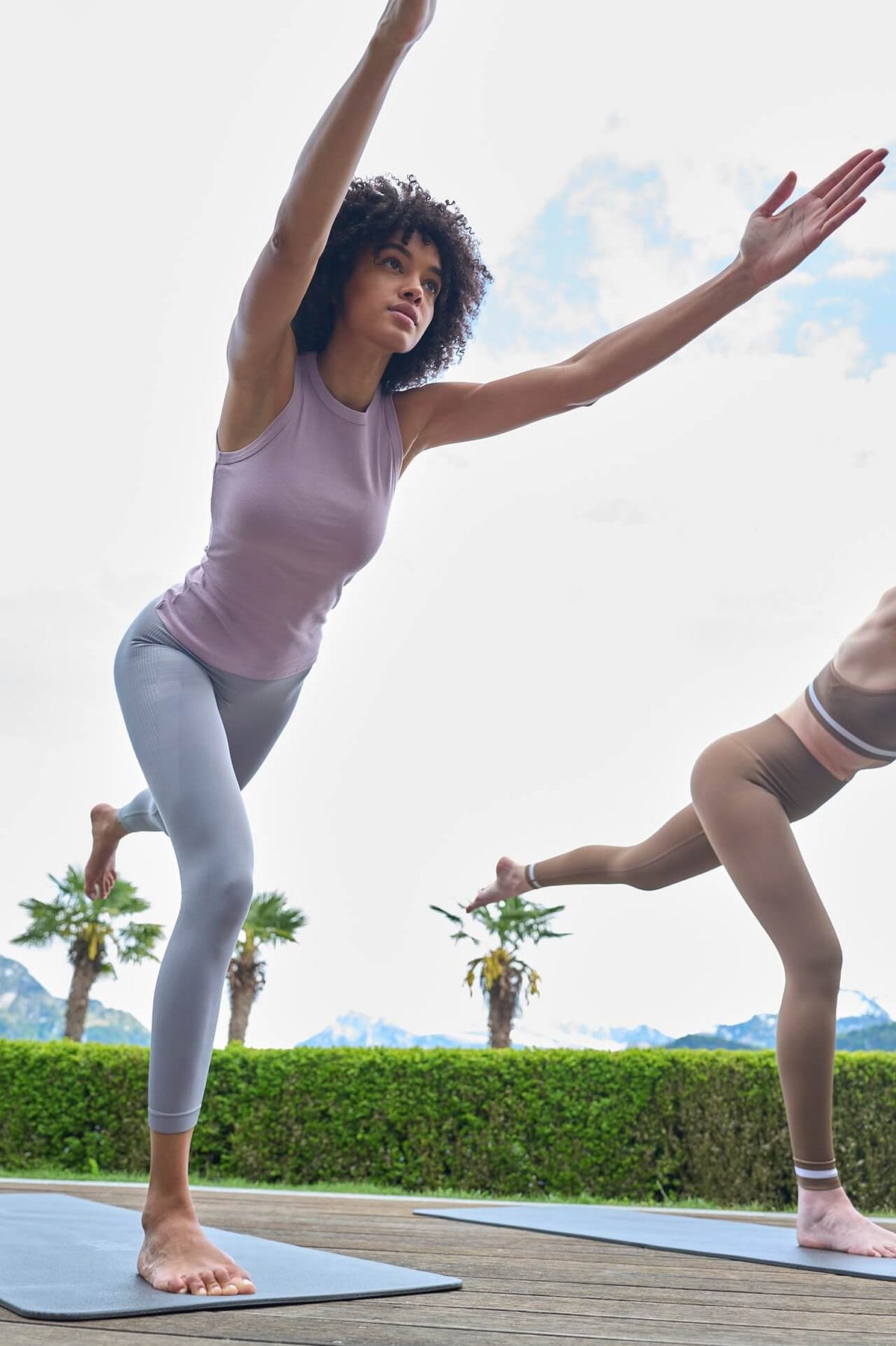
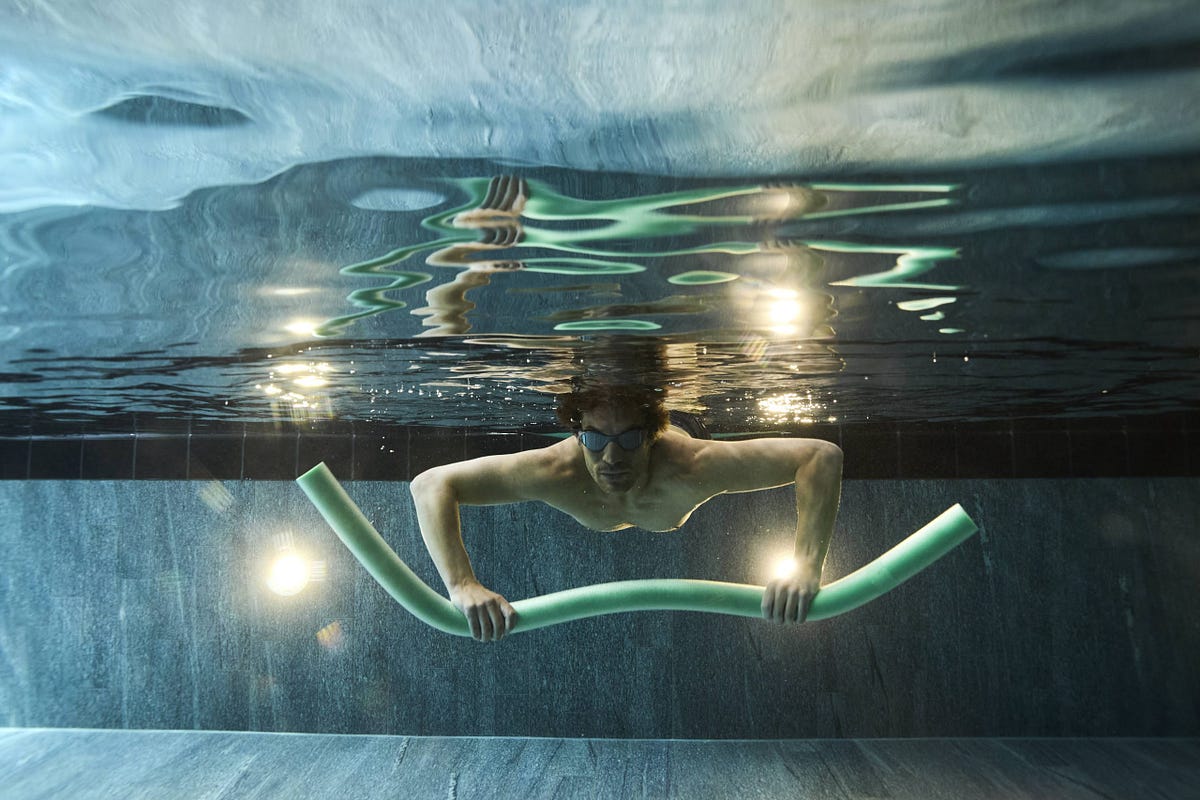
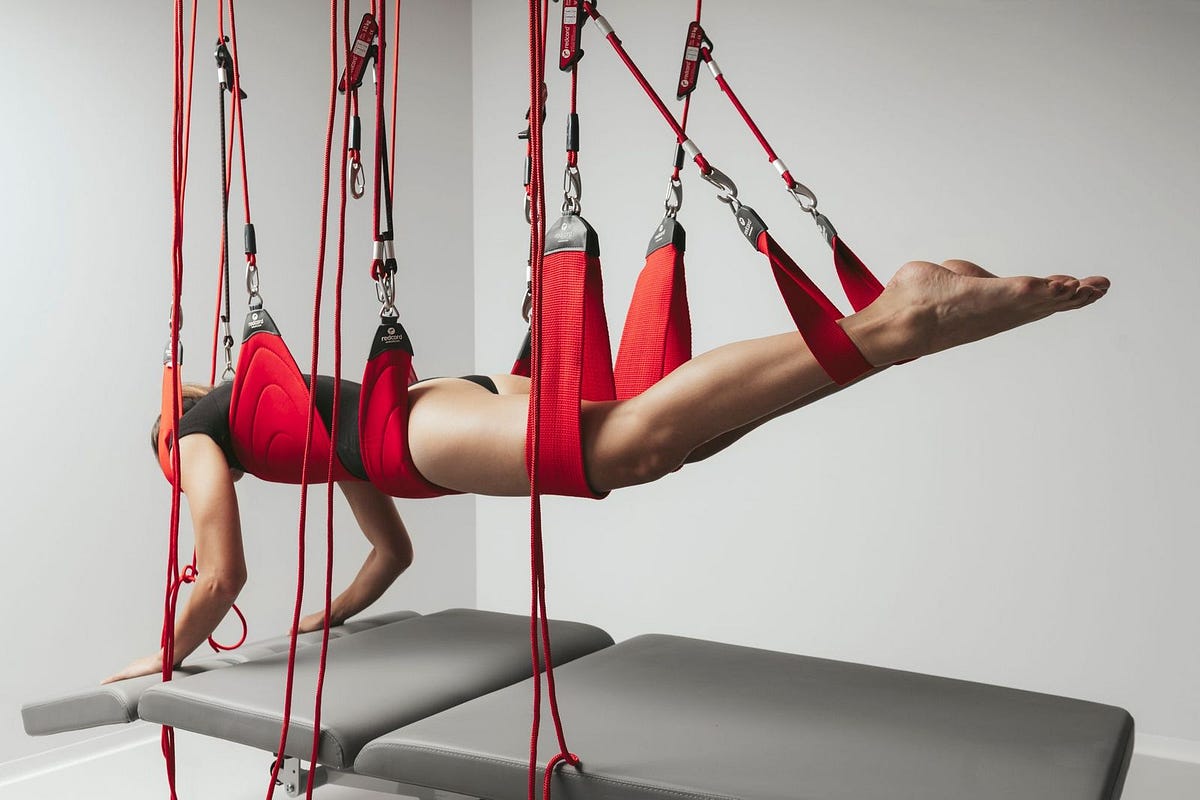
It reflects the same principle as today’s ritual. That the body responds not only to effort, but to consistency.
Nourishment
Nutrition is approached as a therapeutic tool. Plant focused meals are designed to support balance and digestive function, while maintaining energy and satiety.
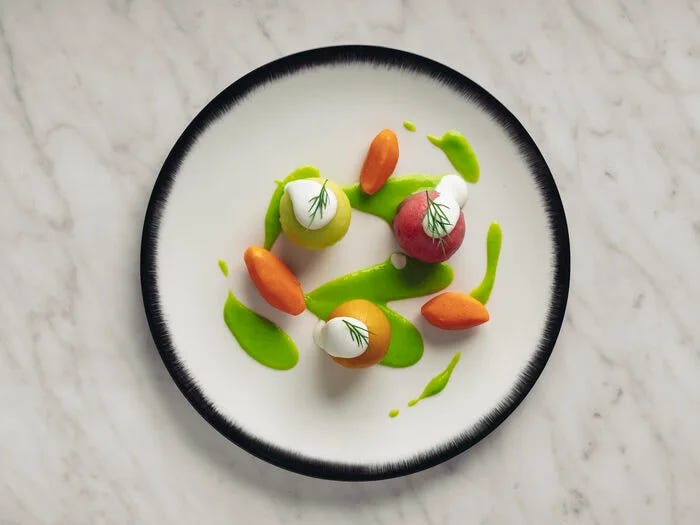
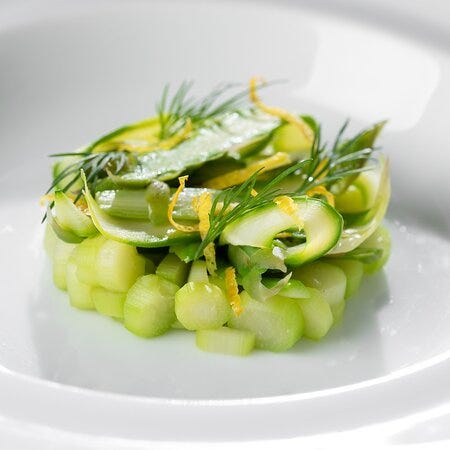

Dining is calm, structured, and aligned with the body’s natural rhythms, reinforcing the wider process of renewal.

At Chenot Palace Weggis, wellbeing is measured, guided, and continuously supported. A reminder that small, consistent inputs, whether through movement, nutrition, or recovery, shape how the body functions over time.
Why Choose Chenot Palace
• A lakeside setting that encourages calm, reflection, and gentle, continuous movement
• Structured daily rhythms that integrate movement, diagnostics, and targeted, personalised treatments
• Advanced programmes designed to restore metabolic balance
• Expert led approach combining science, nutrition, and preventative health
• A refined environment where longevity is approached with precision and intention
How to Get There
Chenot Palace Weggis is located in Weggis, Switzerland, on the shores of Lake Lucerne, approximately 45 minutes from Zurich Airport.
Private transfers from the airport or train station can be arranged, ensuring a smooth and seamless journey to the calm of the lakeside setting.

**If you feel inspired to explore wellness travel, I’d be delighted to help guide you toward a destination aligned with your health and wellbeing goals. Feel free to get in touch anytime.Sources & Further Reading:
- Duran AT, Friel CP, Serafini MA, Ensari I, Cheung YK, Diaz KM. Breaking Up Prolonged Sitting to Improve Cardiometabolic Risk: Dose-Response Analysis of a Randomized Crossover Trial. Med Sci Sports Exerc. 2023 May 1;55(5):847-855. doi: 10.1249/MSS.0000000000003109. Epub 2023 Jan 12. PMID: 36728338.
- Amaro-Gahete FJ, Sanchez-Delgado G, Alcantara JMA, Martinez-Tellez B, Acosta FM, Merchan-Ramirez E, Löf M, Labayen I, Ruiz JR. Energy Expenditure Differences Across Lying, Sitting, and Standing Positions in Young, Healthy Adults. PLoS One. 2019 Jun 12;14(6):e0217029. doi: 10.1371/journal.pone.0217029. Erratum in: PLoS One. 2019 Jul 1;14(7):e0219372. doi: 10.1371/journal.pone.0219372. PMID: 31188863; PMCID: PMC6561541.
- Healy GN, Dunstan DW, Salmon J, Cerin E, Shaw JE, Zimmet PZ, Owen N. Breaks in Sedentary Time: Beneficial Associations with Metabolic Risk. Diabetes Care. 2008 Apr;31(4):661-6. doi: 10.2337/dc07-2046. Epub 2008 Feb 5. PMID: 18252901.
Featured destination